Design for the Send: 7 Content Formats People Actually DM to Their Friends

Most brands still judge a post by its likes. Instagram has been telling them, fairly directly, to look somewhere else.
In January 2025, Instagram head Adam Mosseri named the three signals that matter most for ranking: watch time, likes and sends. Then he split them by audience:
"Likes are slightly more important for connected content, and sends are slightly more important for unconnected content."
"Connected" means your followers. "Unconnected" means everyone else, the people you reach through Explore and suggested Reels. In other words: likes keep you visible to the audience you have; sends get you in front of the audience you want.
This post is about designing for that second number. Not "share this post!" in the caption, but building content that people want to forward to one specific friend.
Why the send is such a strong signal
A like costs nothing. A send costs a little social capital. When someone DMs your Reel to a friend, they're saying "this is worth your time, and it says something about us." That's a much stronger vote than a double-tap, which is why Instagram leans on it to decide what to show strangers.
Sharing is also built into how people use the app now. Back in April 2023, Mark Zuckerberg told investors people were resharing Reels more than two billion times a day. In April 2025 Instagram launched Blend, a shared Reels feed you build with friends inside a DM. Your content increasingly gets discovered in group chats, not just on the feed.
Mosseri's advice for tracking it was specific: watch average watch time, likes per reach and sends per reach. Note the "per reach" part. A post with 40 sends from 2,000 views is doing better than one with 60 sends from 20,000.
The question behind every send
Before you film anything, ask: who would someone send this to, and what would they type with it?
If you can't picture the message ("lol this is you", "we need to go here", "did you know this??"), the post probably won't get forwarded. Every format below works because it hands the viewer a ready-made reason to message someone.
7 formats built for the send
1. The "this is so you" post
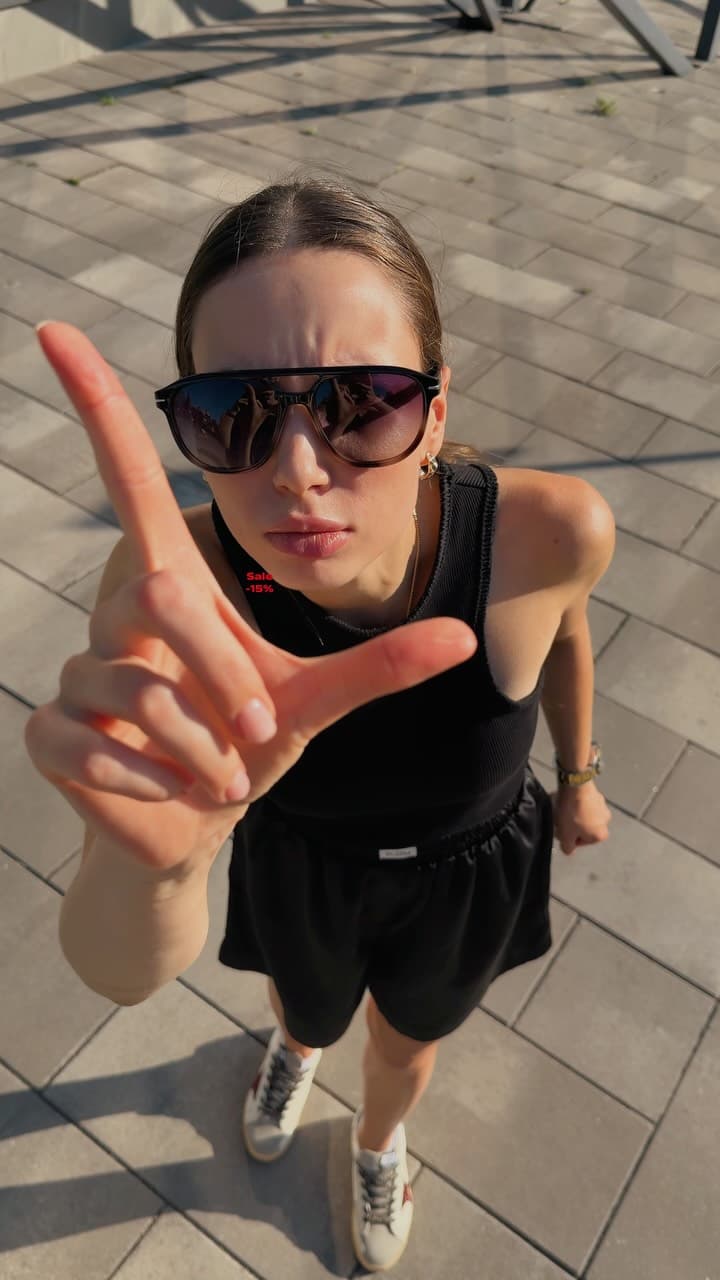
Hyper-specific, relatable observations about a type of person: the friend who's always 10 minutes late, the coworker with 47 browser tabs, the person who orders the same thing every time. The more specific, the better, because specificity is what makes someone think of one person.
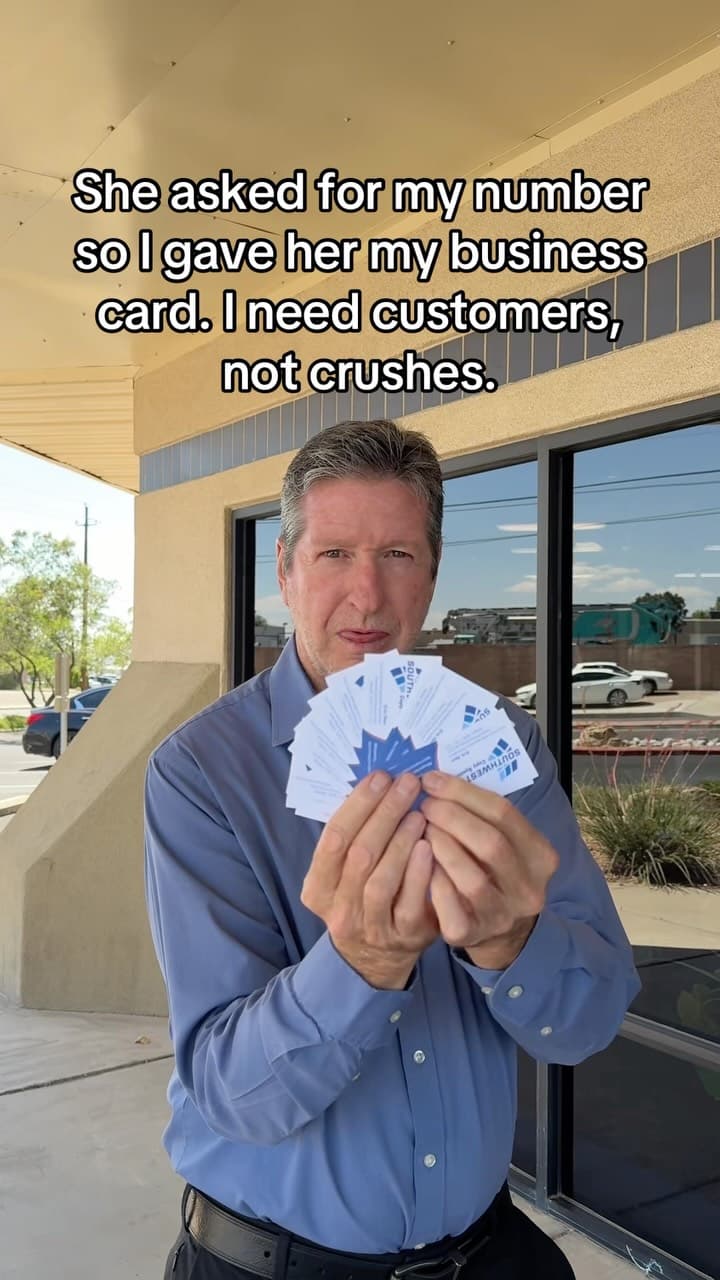
For brands: describe your customer, not your product. A running shoe brand doesn't post "our cushioning is great". It posts "things every runner who 'only does 5K' says at mile 4."
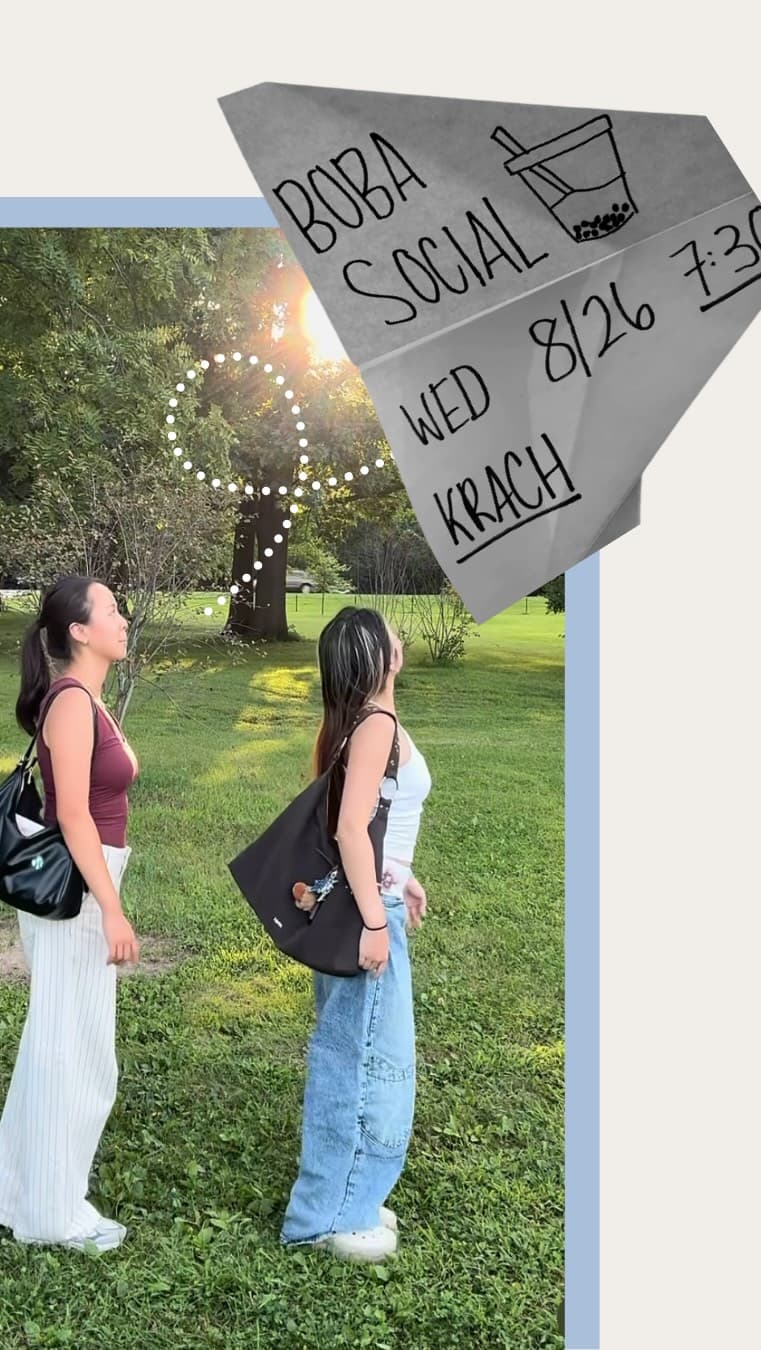
2. The "we should do this" post
Places, plans and experiences people want to do together: a restaurant, a weekend trip, a class, an event. These get sent as invitations.
For brands: local businesses, travel, food and events have a huge advantage here. Show the experience from a guest's point of view, and make the location or booking step obvious so the plan can actually happen.
3. The useful thing they'll forget otherwise
Tips, hacks and short how-tos that solve a problem the viewer's friend has. "You were just asking about this" is one of the most common reasons people share.
For brands: turn your FAQ into content. An accountant explaining one deadline people always miss, or a skincare brand explaining which ingredients not to mix, gives people a reason to forward it to someone who needs it.
4. The "wait, what?" fact
Surprising, counterintuitive information makes the sender look interesting. It's social currency: people share things that make them seem in the know.
For brands: go behind the scenes. How your product is made, what it costs to produce, what most people get wrong about your category. Only share facts you can stand behind, because a surprising claim that turns out to be wrong spreads just as fast.
5. The in-joke for a niche
Memes and sketches that only make sense if you're a nurse, a teacher, a gamer, a new parent or a small-business owner. Outsiders scroll past; insiders immediately send it to the group chat.
For brands: pick your audience's most specific shared pain and joke about it. Niche content often gets fewer views but a higher sends-per-reach, which is exactly the ratio that helps it travel.
6. The debate starter
"Is this a reasonable order?", "Rank these four", "Which one are you?" Content that asks for an opinion gets sent with "settle this" or "which one are we?"
For brands: keep it light and on-topic. A coffee brand asking whether oat milk belongs in an espresso is fun. Picking a fight about something serious isn't worth the reach.
7. The emotional moment
Wholesome, nostalgic or moving stories get sent with "this made me cry" or "remember this?". They're harder to plan, but they travel far.
For brands: real customer stories, team milestones and "where it started" founder moments. Keep it honest; audiences can spot manufactured emotion quickly.
How to make any post more sendable
Format is half of it. These details push a good post over the line:
- Make the hook name the person. "If your friend still texts in full sentences..." puts a face in the viewer's head in the first second.
- Keep it understandable without context. The friend receiving it didn't see your last five posts. If it relies on a running series, add one line of setup.
- Put the payoff in the video, not the caption. People forward the Reel, and the recipient often never opens the caption.
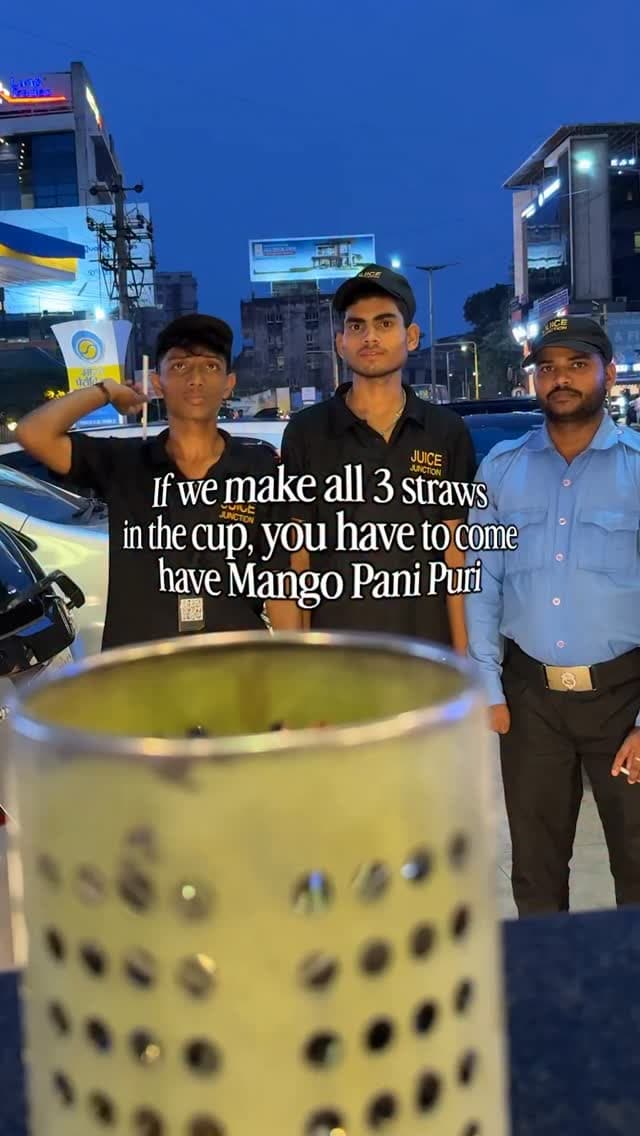
- Use on-screen text. Many people watch DMs with the sound off.
- Ask for the send naturally, if at all. "Send this to the friend who..." works when it fits the joke. "Please share!" doesn't.
- Make it original. Instagram now deprioritises accounts that mostly repost others' content, so borrow the format, not the footage.
How to measure it
You don't need special tools. In Instagram's Insights for each post you can see reach and shares.
- For your last 20 posts, write down reach and shares (sends) for each.
- Divide shares by reach to get sends per reach.
- Sort the list. Look at your top five: what format were they? Who would someone have sent them to?
- Make three more posts in your best-performing format, with different hooks.
If you want to test those hooks before they hit your grid, run them as Trial Reels first, which show to non-followers, exactly the audience sends help you reach.
Key takeaways
- Mosseri says sends matter most for reaching non-followers, while likes matter more for your existing audience.
- Track sends per reach, not raw shares, so posts of different sizes are comparable.
- Before you post, ask who someone would send it to and what they'd type with it.
- The seven formats that reliably get forwarded: "this is so you", "we should do this", useful tips, surprising facts, niche in-jokes, debate starters and emotional moments.
- Write hooks that name a person, keep posts understandable without context, and put the payoff in the video.
Want examples of formats that are getting sent right now? Viral Patterns breaks viral videos down into the hooks and formats behind them. Follow @viralpatterns.co on Instagram for new breakdowns.
Share this post