How to Use Instagram Trial Reels to A/B Test Your Hooks (Without Hurting Your Account)

Most brands guess which hook will work, post one version, and hope. If it flops, followers saw a weak video and the idea gets written off. Instagram's Trial Reels remove a lot of that guesswork: you can show a Reel to people who don't follow you first, see how it lands, and only then decide whether it goes on your profile.
Used properly, that turns Instagram into a free testing lab for hooks and formats. This guide covers how Trial Reels work, what to test, and a simple process you can run every week.
What Trial Reels are (and who can use them)
Instagram launched Trial Reels in December 2024 and in mid-2025 opened them to all creators with public accounts and at least 1,000 followers.
The basics:
- When you post a Reel, you switch on the Trial option on the final sharing screen. If you don't see it, your account isn't eligible yet.
- The Reel is recommended to non-followers. It doesn't appear on your grid or in your followers' feeds or Reels tab.
- Followers can still occasionally come across it, for example if someone sends it to them in DMs or on audio and location pages, so don't post anything you'd be embarrassed by.
- After about 24 hours, you can see views, likes, comments and shares, along with how it compares to your earlier trials.
- If a trial performs well, you can share it to your profile. There's also an option to share it with everyone automatically if it performs well, which Instagram says happens after 72 hours by default. You can switch that off.
One caveat Instagram makes itself: trial content can take longer to gain traction, because there's no follower base giving it an early push. Judge trials against other trials, not against your regular posts.
Why this matters: you're testing with the audience you want to reach
Reach on Instagram comes mostly from people who don't follow you yet. That's exactly who sees a Trial Reel, so the data is a cleaner read on whether a video can travel.
It also lines up with what Instagram says it rewards. In January 2025, Instagram head Adam Mosseri said the top three ranking signals are watch time, likes and sends:
"...pay close attention to average watch time, likes per reach, and sends per reach."
He's also called sends per reach one of the most important signals Instagram uses for ranking. So when you read your trial results, the question isn't "how many views did it get?" It's "out of the people who saw it, how many liked it and how many sent it to someone?"
What to test with Trial Reels
The golden rule of testing: change one thing at a time. If you change the hook, the length and the audio all at once, you won't know which one made the difference.
1. The hook
This is the highest-leverage test. Film the video once, then cut two or three versions that differ only in the first 1–3 seconds:
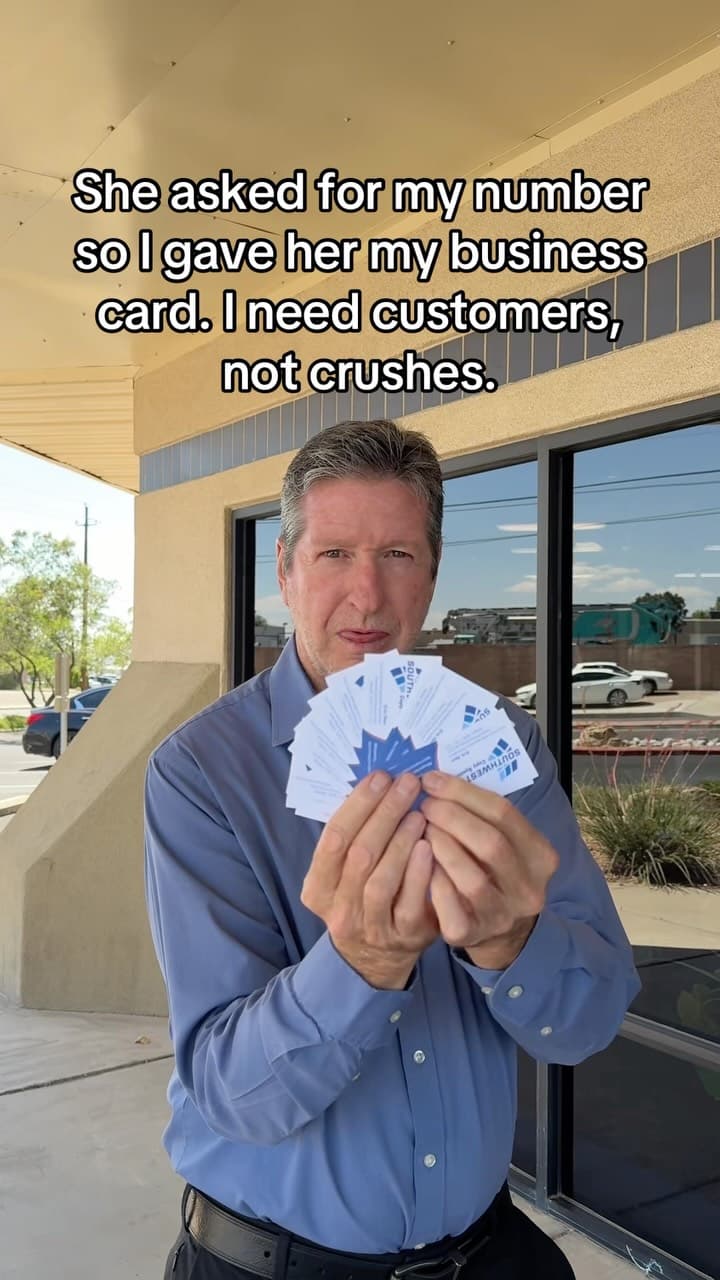
- Different opening line: "Stop doing this with your skincare" vs "The skincare step most people skip".
- Different first frame: the finished result first vs the messy "before" first.
- Different text overlay: a bold claim vs a question.
Post each version as a separate trial, a few hours or a day apart, and compare.
2. The format
Take one idea and try it in two formats. A product tip could be a talking-head video, a faceless voiceover with B-roll, a green-screen reaction or a quick list. Formats often matter more than the topic, and trials tell you which one your niche responds to.
3. Length and pacing
Try a tight 10–15 second cut against a longer 30–45 second version of the same content. Shorter often holds attention better, but deeper content can win if it keeps people watching. Average watch time will show you which.
4. Repurposed content
Trial Reels are a low-risk way to repost older winners or TikTok videos to a fresh audience without repeating yourself to followers. Social Samosa notes that Instagram hasn't restricted reposting older content as a trial, and some creators already use it for growth. Re-cut it with a new hook rather than uploading the exact same file.
5. Riskier ideas
Brands are often stuck posting "safe" content because one experiment could drag down the profile. Trials are the place for the humour piece, the trend you're not sure fits your brand, or the founder-on-camera video you've been putting off.
How to read the results
After 24 hours, open each trial's insights and work out a few simple ratios rather than looking only at view counts:
- Likes per view: likes divided by views.
- Shares per view: shares divided by views. This is your closest view of "sends per reach", and the one to watch most closely.
- Average watch time: if one hook keeps people watching noticeably longer, that's usually your winner, even if the views are similar.
Then decide:
- Clear winner: share it to your profile, and use that hook style in your next few videos.
- All versions weak: the problem is probably the idea or format, not the hook. Change something bigger.
- Too close to call: treat it as a tie. Small differences on a few hundred views are noise, not a pattern.
Keep a note of every test: the hook, the format, and the result. After a month, you'll have a playbook built on your own audience's behaviour, not generic advice.
A simple weekly testing routine
- Monday: pick one idea and write three hook variations.
- Tuesday: film once, edit three versions that differ only in the opening.
- Tuesday–Wednesday: post each as a Trial Reel, spaced out.
- Thursday: compare likes per view, shares per view and watch time.
- Friday: share the winner to your profile and add the learning to your swipe file.
That's one solid experiment a week, without flooding your followers with near-identical videos.
Common mistakes to avoid
- Testing too many variables. One change per test, or the result means nothing.
- Judging too early. Wait at least 24 hours, and remember trials can start slower.
- Chasing views alone. A video with fewer views but much higher shares per view is often the better signal for what to make next.
- Never sharing winners. The point is to find what works and give it to your followers, not to keep it in drafts.
The same idea works on other platforms
Instagram isn't the only platform offering built-in testing. YouTube's Test & Compare lets creators test multiple thumbnails and titles on the same video. The mindset is the same everywhere: make several versions, let the audience pick, and repeat what wins.
Key takeaways
- Trial Reels show your video to non-followers first, so you can test without risking your profile.
- Focus on the signals Instagram says matter: watch time, likes per reach and sends per reach.
- Test the hook first. It's the cheapest change with the biggest impact.
- Change one variable at a time and log every result.
- Run one test a week and turn the winners into your next posts.
Need hook ideas to test? Viral Patterns breaks down viral videos into the hooks and formats behind them, so you can start your trials with patterns that have already proven they work. Follow @viralpatterns.co on Instagram for new breakdowns.
Share this post